Optimal Timing for Fallen Leaf Removal
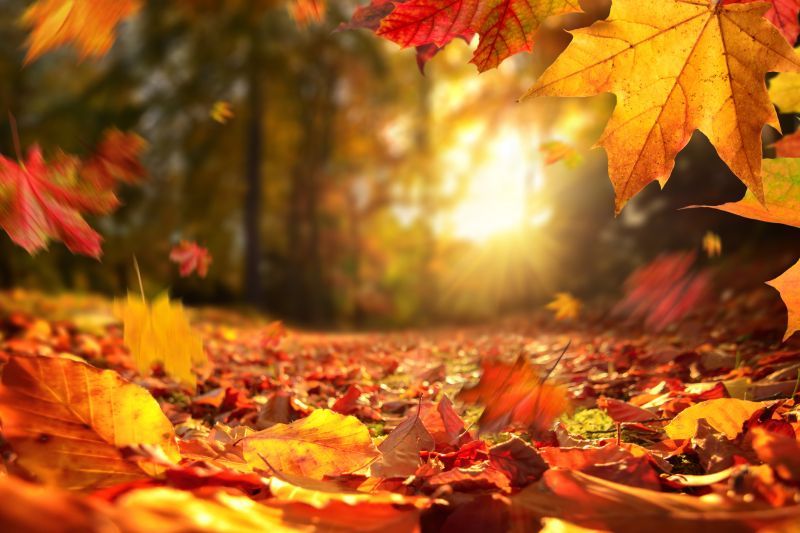
Peak leaf fall occurs during the autumn months, making it an ideal time for fallen leaf removals to prevent yard damage.
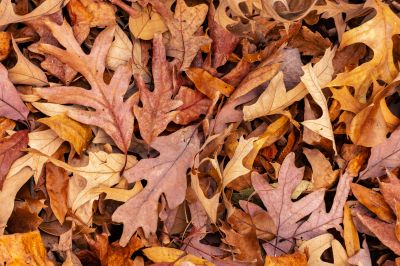
Late fall is suitable for comprehensive leaf removal to prepare landscapes for winter.
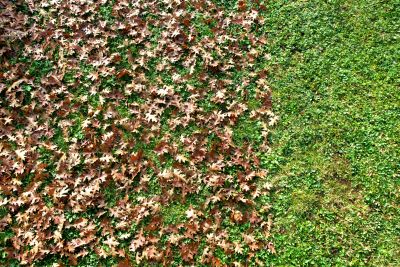
Early spring removal helps clear debris left over from winter and promotes healthy growth.
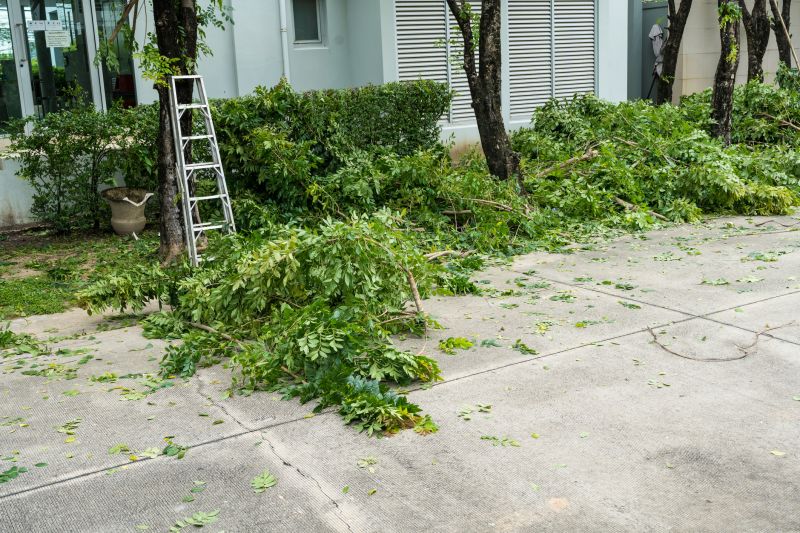
Ways to make Fallen Leaf Removals work in tight or awkward layouts.
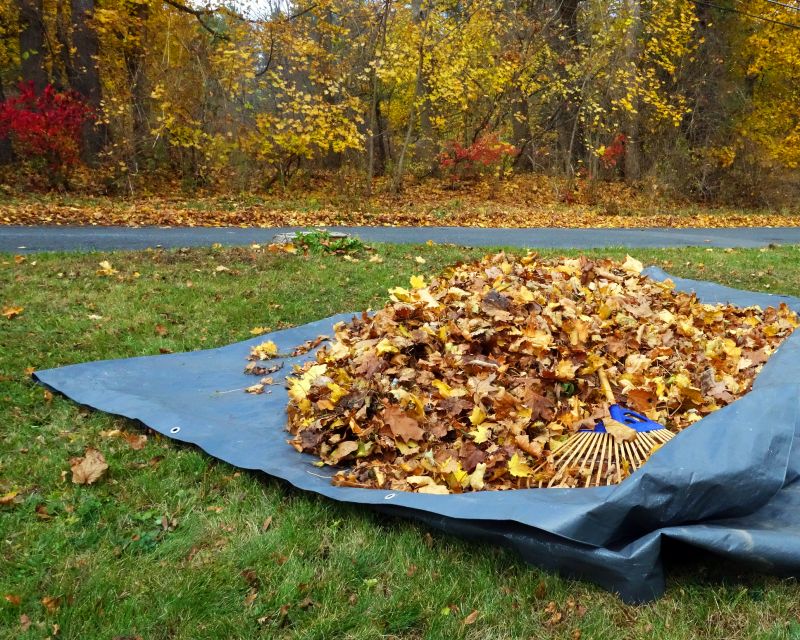
Popular materials for Fallen Leaf Removals and why they hold up over time.
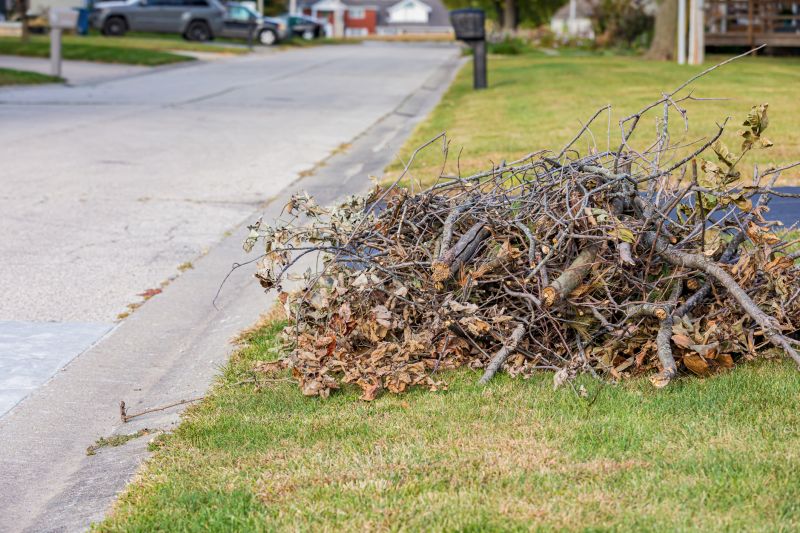
Simple add-ons that improve Fallen Leaf Removals without blowing the budget.
Fallen leaf removals are essential for maintaining landscape health and appearance. The timing of leaf removal can significantly impact the effectiveness of the cleanup process. Typically, the best time to perform fallen leaf removals aligns with peak leaf fall and before winter weather sets in. This ensures that yard debris does not cause damage or foster pests.
Statistics indicate that removing leaves during peak seasons can reduce the risk of lawn disease by up to 30%. Regular removal also improves air circulation around plants and prevents mold growth. The frequency of leaf removal varies based on tree species, weather conditions, and yard size, but generally, a bi-weekly schedule during peak fall is recommended.
Prevents lawn suffocation, reduces pest habitats, and maintains aesthetic appeal.
Accumulation of leaves more than 1 inch thick, increased pest activity, and visible plant stress.
Can lead to turf damage, increased fungal diseases, and difficulty in yard maintenance.
Use of rakes, blowers, and mulching mowers to efficiently clear leaves without damaging the lawn.
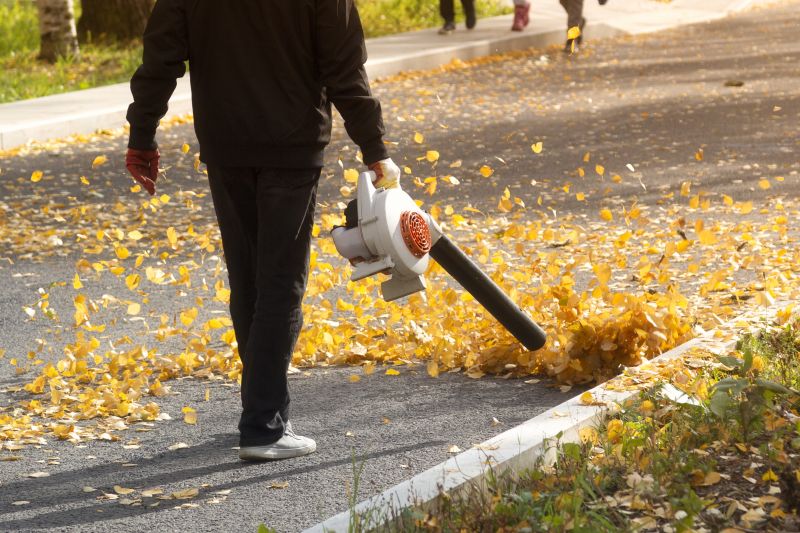
Various tools used for efficient leaf cleanup.
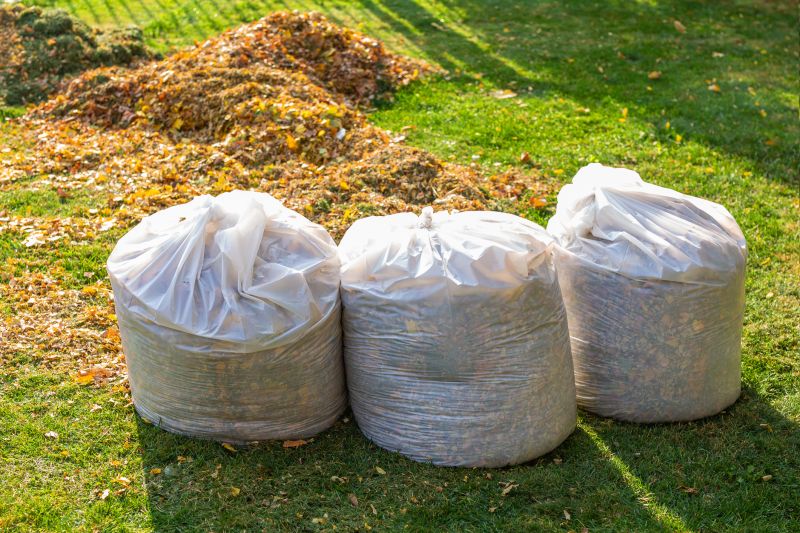
Yard with heavy leaf accumulation.
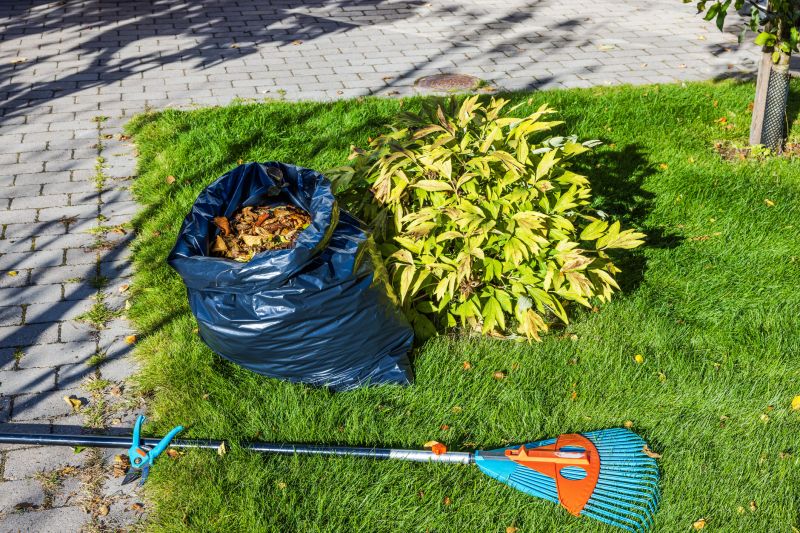
Cleaned yard with clear grass and landscape.
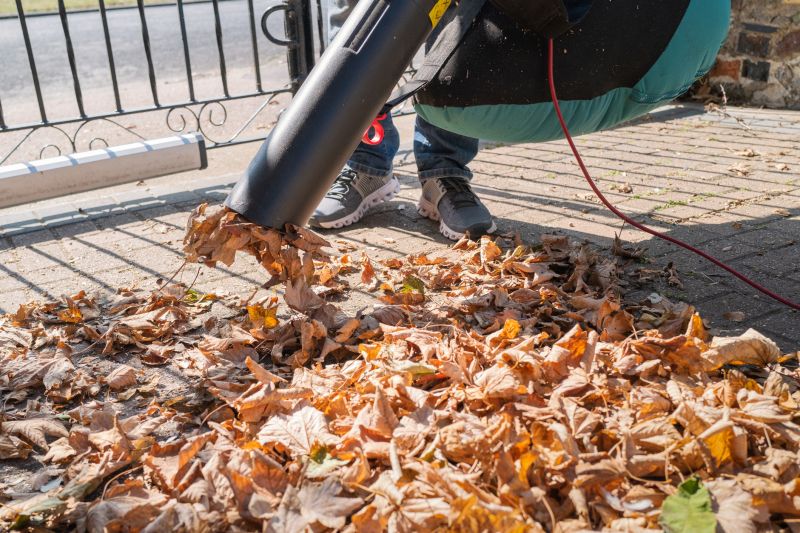
Using mulching mowers to recycle leaves into compost.
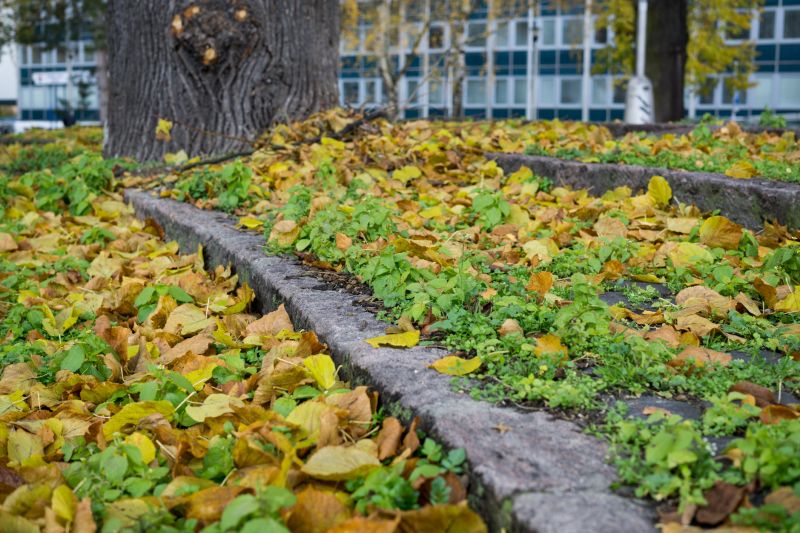
Autumn scenery with colorful leaves.
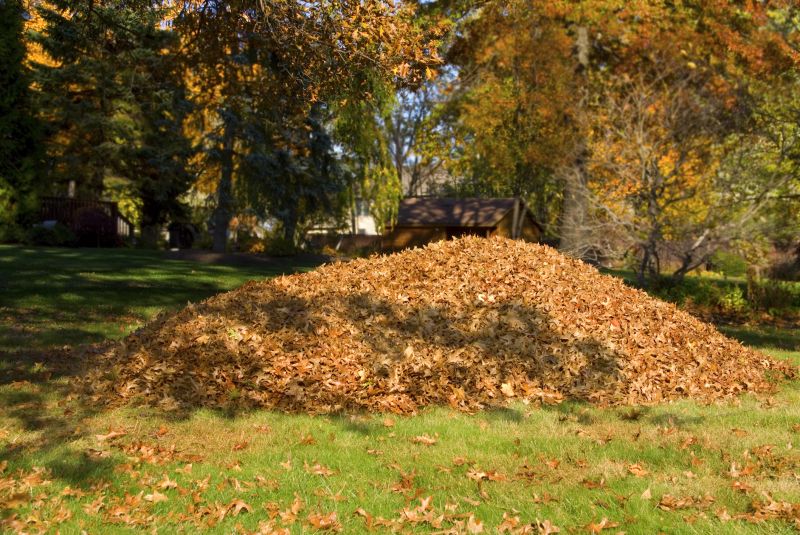
Yard prepared for winter after leaf removal.
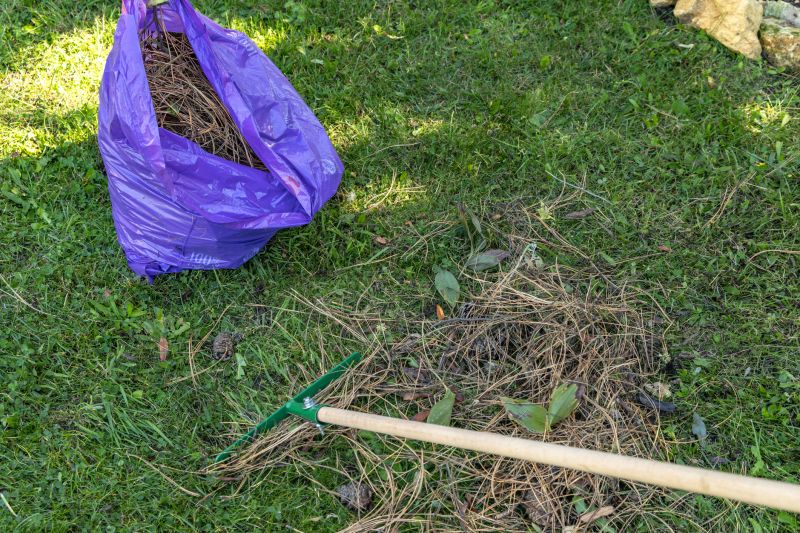
Tools used for spring leaf and debris removal.
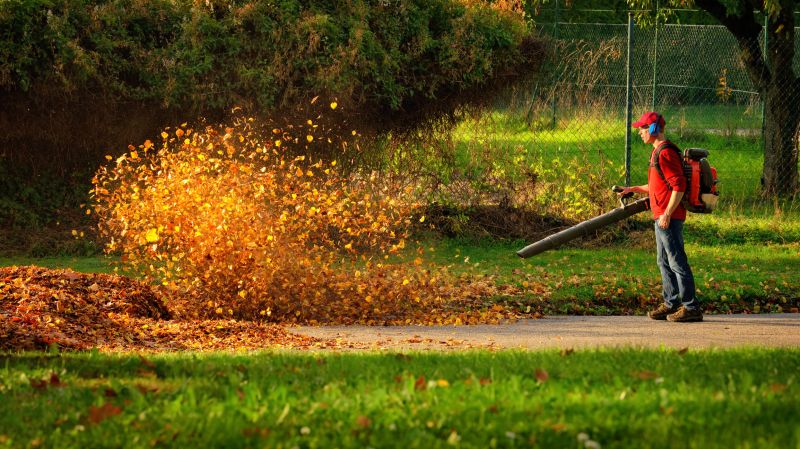
Proper maintenance of leaf removal tools.
| Season | Recommended Timing |
|---|---|
| Autumn | Peak leaf fall months, typically October to November |
| Late Fall | After most leaves have fallen, before winter weather |
| Spring | Early spring, to clear winter debris |
| Summer | Occasional removal if trees shed leaves during summer |
| Winter | Generally not needed unless specific conditions arise |
Timely fallen leaf removals contribute to healthier lawns and landscapes. By removing leaves during optimal periods, property owners can prevent issues such as turf suffocation, pest infestation, and fungal growth. Regular maintenance during peak seasons ensures landscapes remain vibrant and well-maintained.
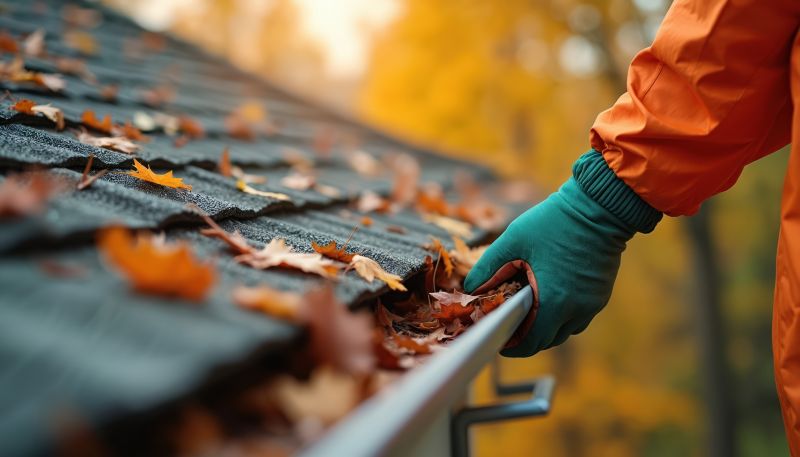
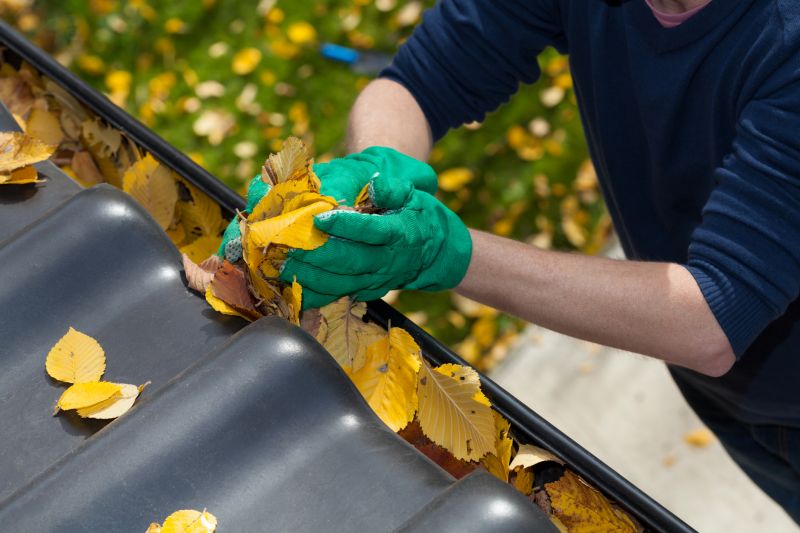
Professional cleanup during peak leaf fall.
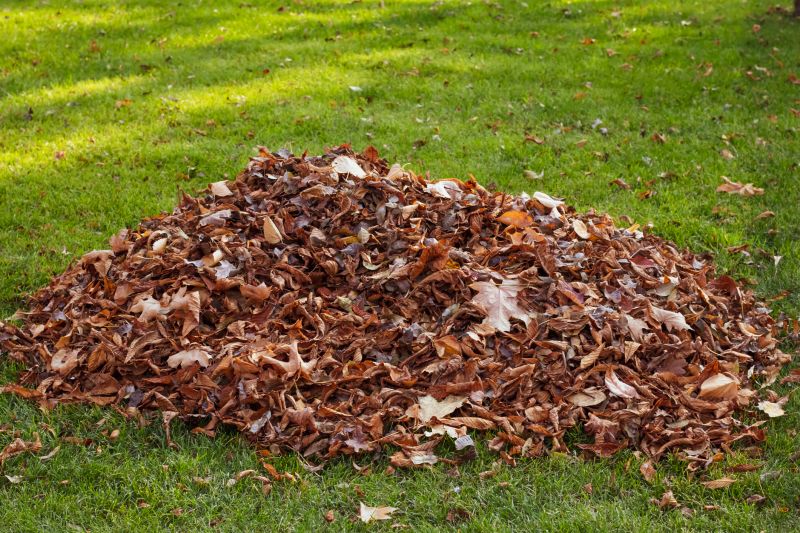
Result of effective leaf removal.
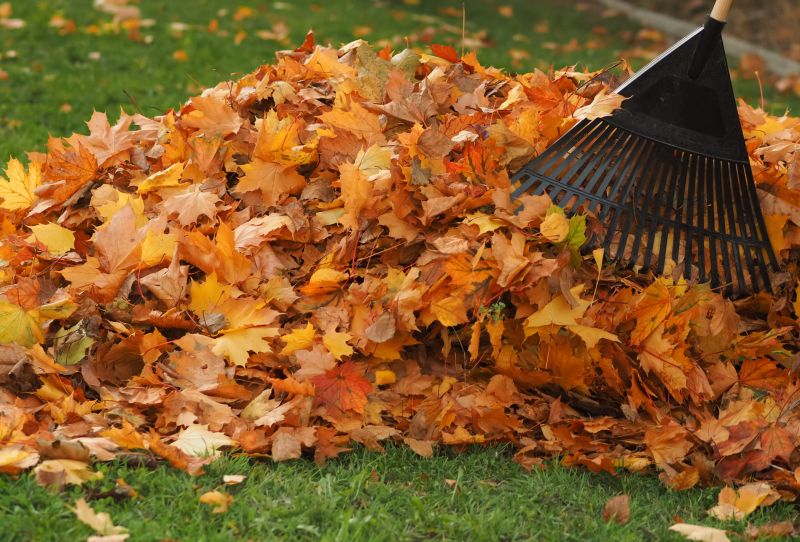
Colorful leaves ready for removal.
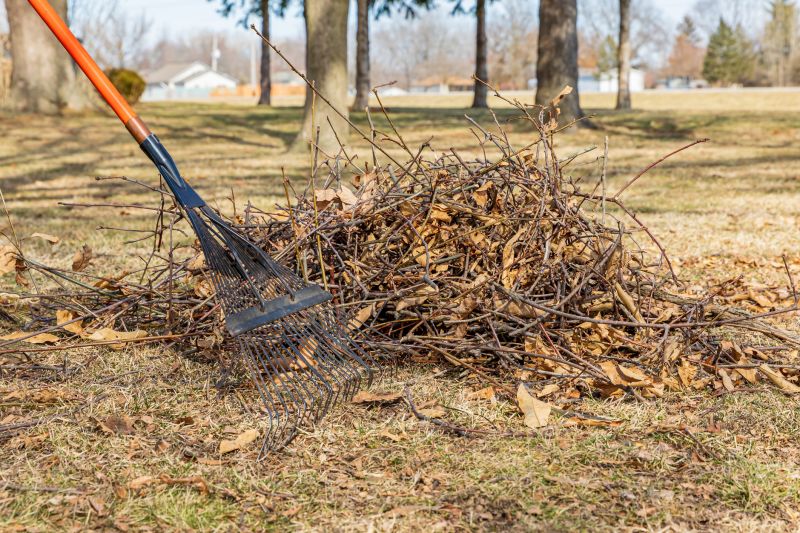
Spring cleanup after winter.
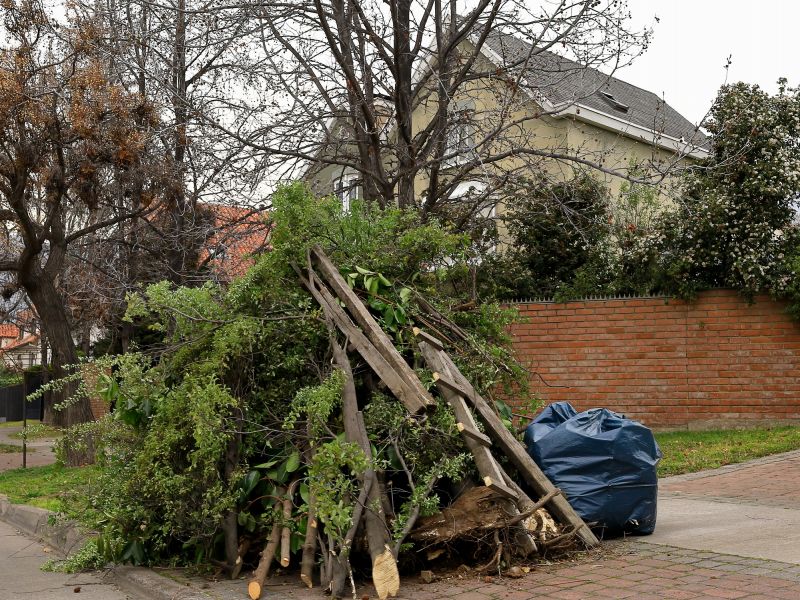
High-end options that actually feel worth it for Fallen Leaf Removals.
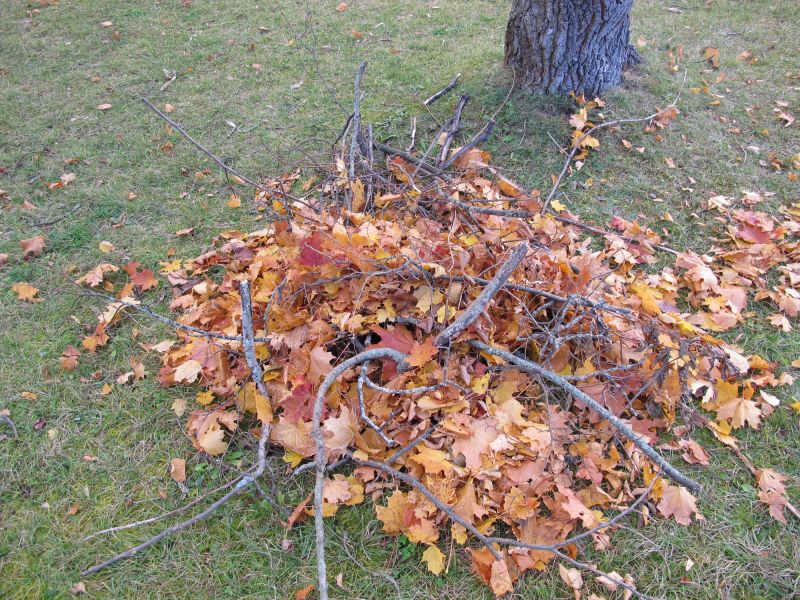
Finishes and colors that play nicely with Fallen Leaf Removals.

Little measurements that prevent headaches on Fallen Leaf Removals day.
A 60-second routine that keeps Fallen Leaf Removals looking new.
Interested in efficient fallen leaf removals? Filling out the contact form can provide more information and assistance tailored to specific yard needs.